In Alberta and across Western Canada, power generation depends on a diverse mix of energy sources, from natural gas and coal to wind, solar, and hydroelectric systems. Behind every generating station, turbine, and substation is one critical element that keeps operations running safely and efficiently: the control panel.
Control panels are the operational nerve center of modern power generation. Whether managing a natural gas turbine, a solar inverter array, or a hydroelectric dam gate, they allow operators to monitor performance, regulate output, and maintain system stability in real time.
The Role of Control Panels in Power Generation
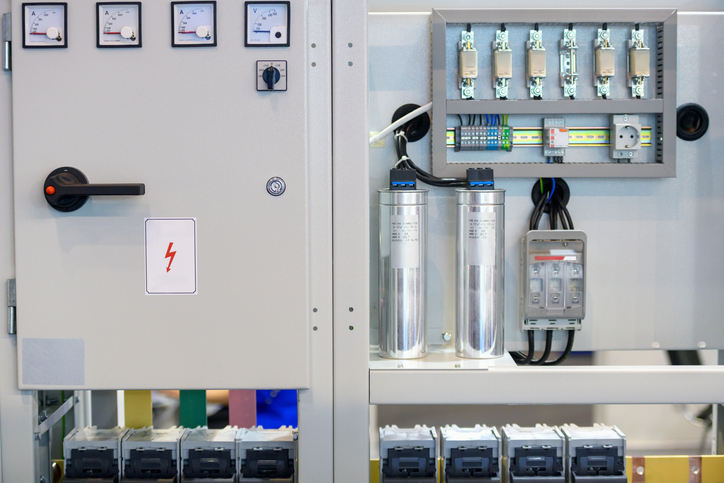
In the simplest terms, a control panel connects operators to the equipment that generates and distributes electricity. It houses the electrical components, sensors, relays, and programmable logic controllers (PLCs) that control mechanical processes, measure voltages, and respond to operational changes instantly.
Control panels in power generation facilities typically manage three main functions:
1. Process Control: Regulating turbines, boilers, generators, and auxiliary systems to ensure optimal energy output.
2. Protection and Safety: Monitoring conditions like temperature, vibration, and current to prevent overloads or equipment damage.
3. System Communication: Transmitting operational data to supervisory control and data acquisition (SCADA) systems, enabling remote oversight and automation.
A well-designed control panel allows operators to respond quickly to changing loads, start-up sequences, or grid fluctuations — making it an essential element of reliable energy production.
Control Panels Across Different Energy Sources
Natural Gas and Coal
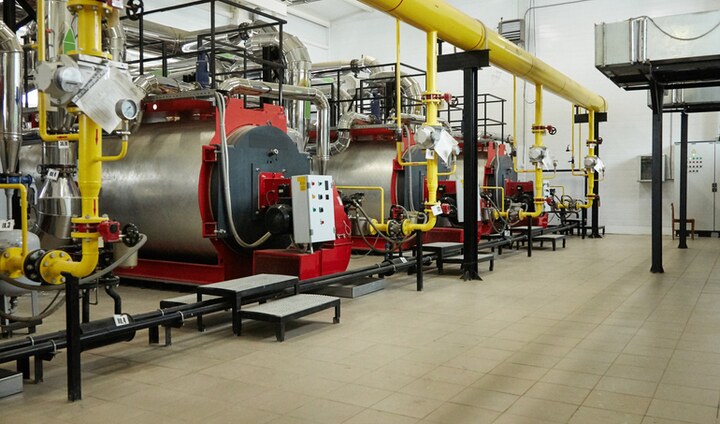
In thermal power plants, control panels manage boiler feedwater pumps, combustion systems, and turbine speed controls. Each component must be precisely synchronized to maintain stable output and fuel efficiency. PLC-based panels continuously monitor temperature, pressure, and fuel ratios, automatically adjusting equipment to maintain balance between output and safety.
Wind
Wind turbines rely on advanced electrical control panels to monitor wind speed, blade angle, and generator torque. These panels control yaw systems and pitch mechanisms, ensuring the turbine operates efficiently under variable wind conditions. They also interface with grid systems to synchronize generated power with utility standards.
Solar
In solar power systems, control panels monitor and regulate inverter performance, voltage levels, and energy storage systems. They help manage the conversion of DC power from solar arrays into AC power suitable for the grid. Automated controls optimize efficiency during fluctuating sunlight conditions, improving the consistency of power delivery.
Hydroelectric
Control panels in hydroelectric facilities regulate water flow through turbines and gates. They monitor water levels, turbine RPM, and load demand, enabling smooth and efficient operation. Automation reduces the need for constant manual oversight, enhancing both safety and output predictability.
Why Design and Integration Matter
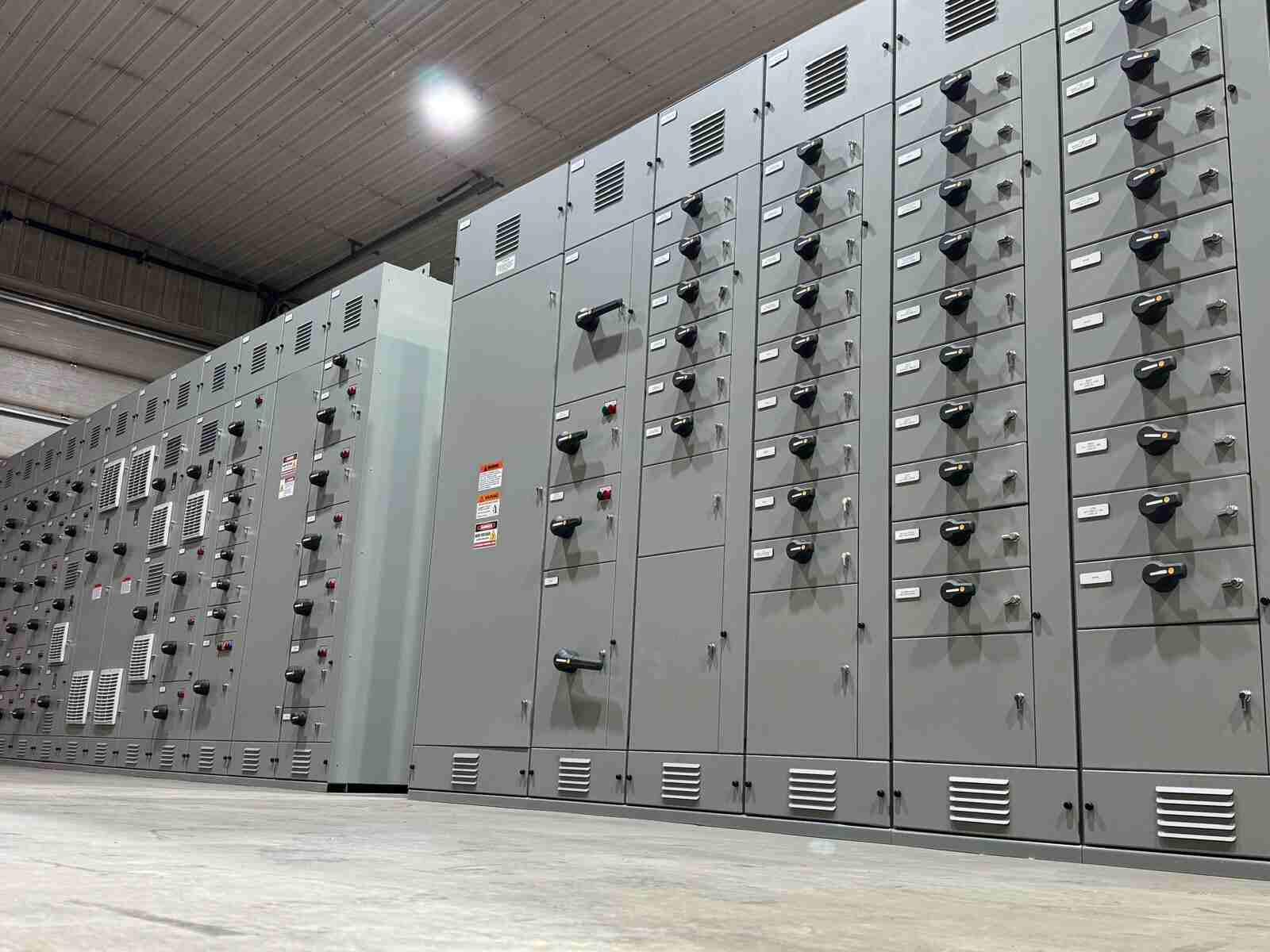
In any type of power plant, control panel design directly impacts safety, reliability, and compliance. Each system must meet CSA and utility standards, use high-quality components, and integrate seamlessly with automation and monitoring platforms.
A poorly designed control panel can lead to operational inefficiencies, overheating, and costly downtime. Conversely, a well-engineered panel, such as those designed and fabricated by Current Group, ensures dependable performance, clear operator interfaces, and future-ready scalability.
Supporting Alberta’s Energy Future
Alberta’s power generation mix is evolving. While natural gas remains the province’s dominant energy source, renewable projects are expanding rapidly across the Prairies. Each of these technologies depends on electrical and automation systems that can adapt to changing conditions and new regulatory demands.
Current Group’s expertise in custom control panels and automation integration supports utilities, engineering firms, and energy producers across Western Canada. By combining electrical design, fabrication, and commissioning under one roof, we help clients achieve safe, efficient, and scalable power generation systems — built for today’s grid and tomorrow’s energy needs.
Power your operation with confidence. Contact Current Group to learn more about our custom control panels and automation solutions for the power generation industry.